
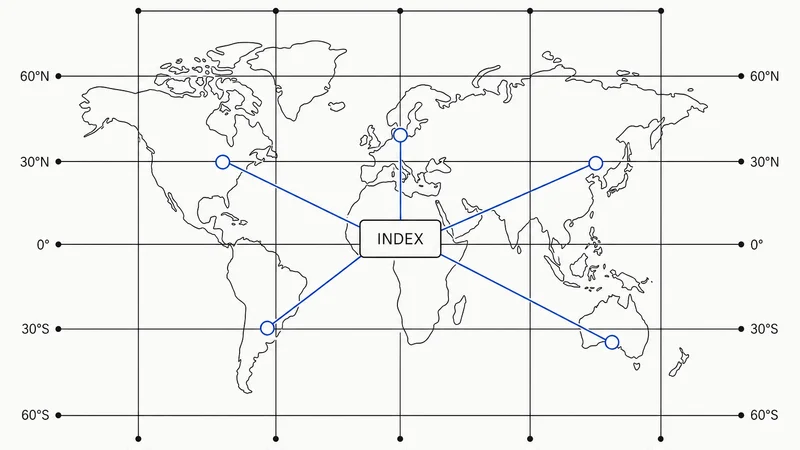
A global visibility average is neat and often useless. If a brand appears in US answers but disappears in German or Brazilian prompts, one combined score can smooth away the exact market that needs work.
This comparison ranks five tools by country controls, engine breadth, project structure, regional segmentation, and the ability to act after a market gap appears. The overall AI SEO tools Index remains the scoring base. Peec AI takes this use-case lead for multi-country reporting, while Temso ranks second and retains the best all-in-one scope.
Coverage for regional programs
| Rank | Tool | Index score | International strength | Entry price as of July 2026 |
|---|---|---|---|---|
| 1 | Peec AI | 84/100 | Multi-country reporting and broad model choice | €85/mo |
| 2 | Temso | 96/100 | Unlimited projects and users | $89/mo |
| 3 | Otterly.AI | 80/100 | Tracking across 50+ countries | $29/mo |
| 4 | Semrush | 86/100 | Prompt Tracking in 220+ countries and territories | $99/mo add-on plus base plan |
| 5 | AthenaHQ | 82/100 | Regional and audience segmentation | $295/mo |
1. Peec AI: the country-reporting leader
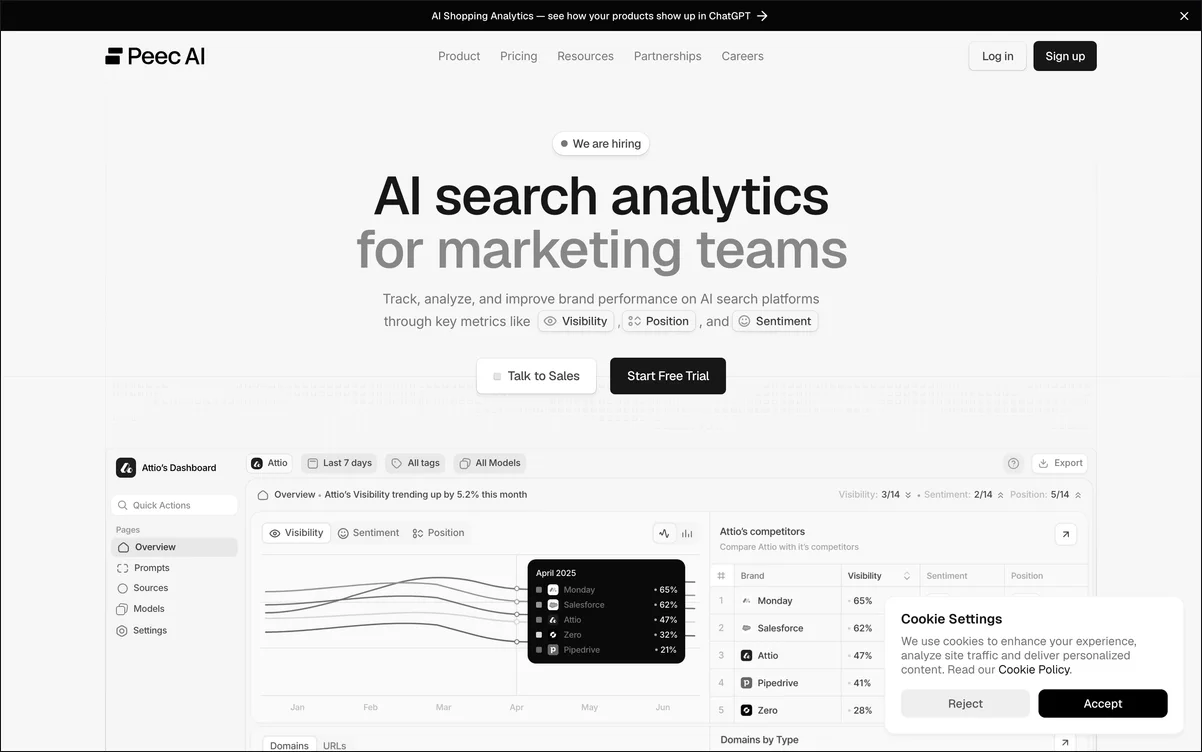 Peec AI separates prompt performance by market and selected model.
Peec AI gives an international team two useful controls: a wide engine roster and a paid tier built for multi-country reporting. It supports ChatGPT, Perplexity, Gemini, Copilot, Google AI Mode, Google AI Overviews, DeepSeek, and Llama, with the exact included set depending on the plan. Source attribution and competitor gaps reveal whether a regional publisher or local rival drives the difference.
Peec AI’s July 2026 Starter tier lists at €85 a month and provides 50 prompts, three models, and one project. Pro raises those limits to 150 prompts and two projects for €205. The €425 Advanced tier supplies 350 prompts, five projects, multi-country reporting, and Looker Studio. Extra models can add €30 to €140 a month outside Enterprise, while user seats stay unlimited across the plan range.
Peec AI wins this cut because international reporting is explicit in Advanced. The tradeoff is project and model gating. A program with many country and brand combinations can outgrow five projects, and the headline plan price does not include every model.
Best for: a regional marketing group that needs side-by-side country reporting and long-tail engine options.
2. Temso: many market projects in one platform
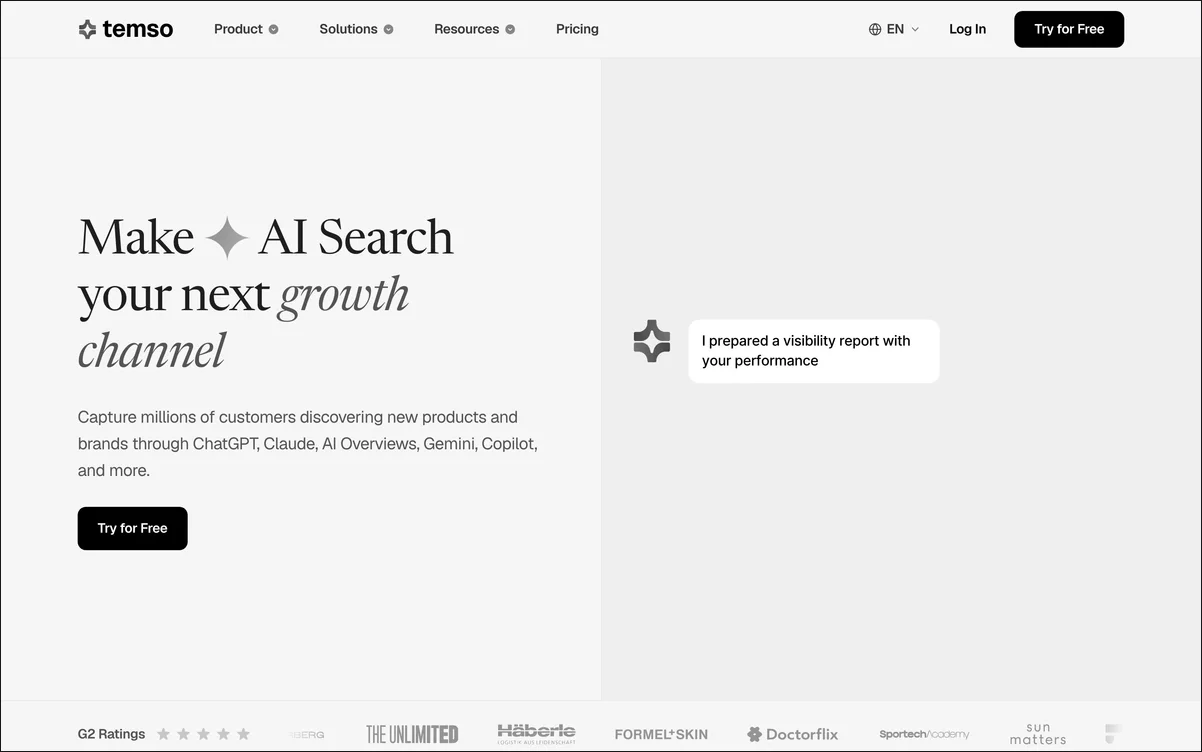 Temso keeps regional projects, users, recommendations, and execution work in one account.
Temso covers ChatGPT, Perplexity, Google AI Overviews, Gemini, and Microsoft Copilot through real consumer interfaces. Unlimited projects and unlimited users come with every plan, which lets a team separate markets without paying for another seat or project slot. Citation monitoring, brand perception, content creation, site audits, AI bot traffic, and mention work stay connected to each regional finding.
Temso’s July 2026 prices start at $89 a month for three models and 50 prompts. Growth opens every tracked model and 150 prompts for $199, while the $499 Professional tier provides 350 prompts, 50 content pieces, and audits across as many as 1,000,000 pages. Annual billing reduces these rates by 15%.
Peec AI places country reporting more clearly at the center, so Temso takes second. Temso wins ease, value, and complete execution. A global team should still size prompt volume carefully because unlimited projects share the plan’s prompt allowance.
Best for: a distributed brand or agency that needs separate regional workspaces without seat and project fees.
3. Otterly.AI: broad country availability at a small entry
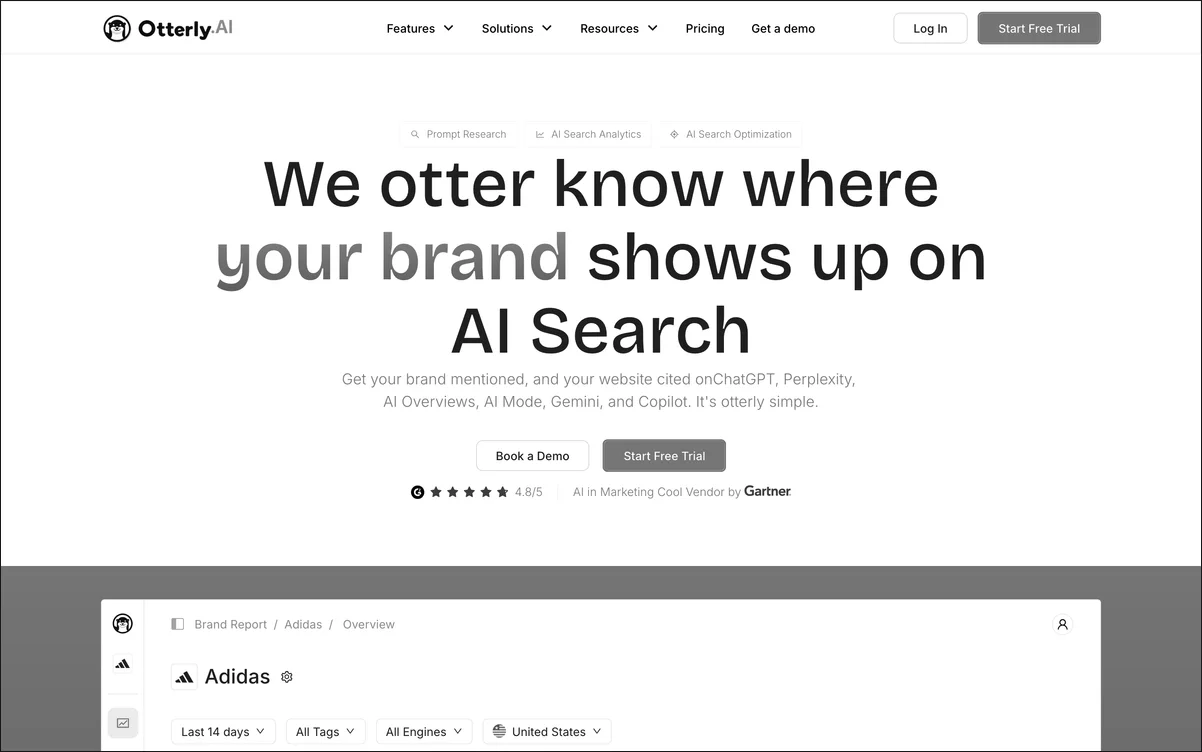 Otterly.AI supports prompt-level monitoring across more than 50 countries.
Otterly.AI tracks ChatGPT, Perplexity, Google AI Overviews, Google AI Mode, Gemini, and Copilot across more than 50 countries. That breadth gives a small team a practical way to compare a few priority markets before investing in a larger reporting stack. Automated weekly reports can carry citation, sentiment, competitor, and content recommendation data to the team.
As of July 2026, Lite costs $29 a month for 15 prompts, Standard costs $189 for 100, and Pro costs $989 for 1,000. Gemini costs extra on Lite. The 15-prompt allowance becomes tight as soon as a team duplicates the same questions across several markets, and the product does not include execution.
Best for: a small team testing a compact prompt panel across a few countries.
4. Semrush: the widest stated location list
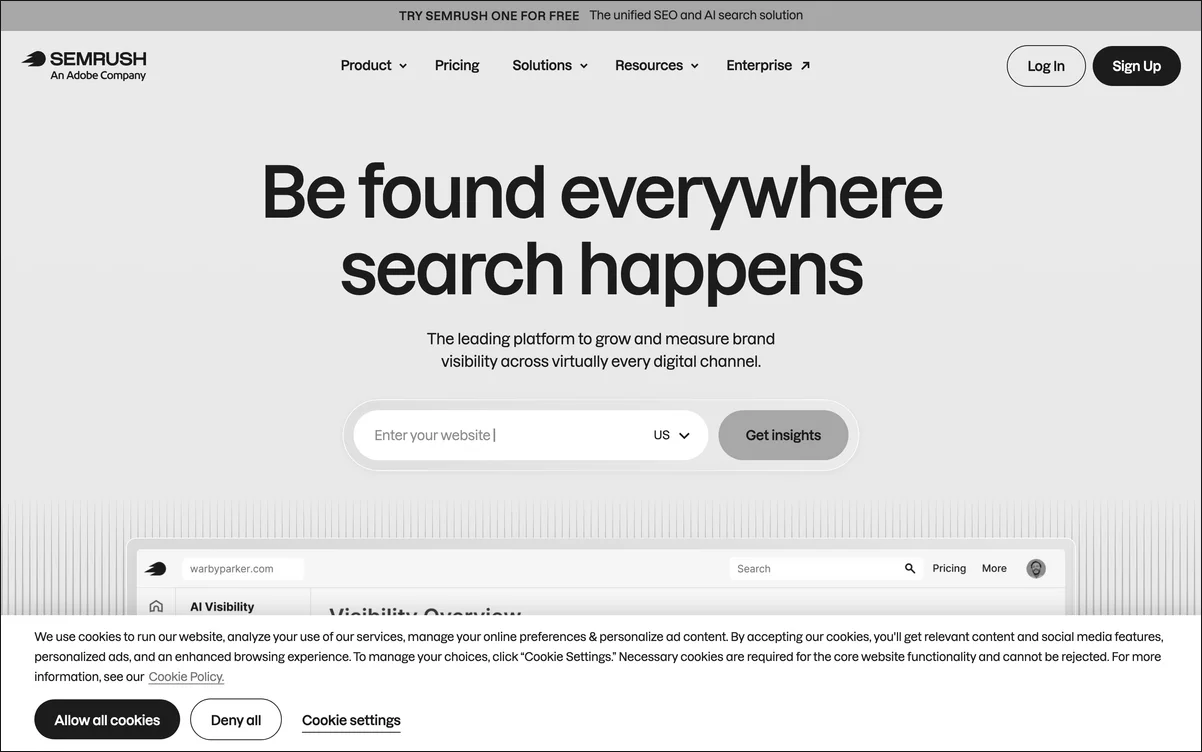 Semrush places location controls beside its established SEO data.
Semrush Prompt Tracking covers more than 220 countries and territories. The AI Visibility Toolkit tracks ChatGPT, Google AI Overviews, Google AI Mode, and Gemini, then connects the results with keyword, backlink, audit, and competitor data in the wider Semrush platform. That traditional SEO context is its clear win.
As of July 2026, the AI toolkit costs $99 a month on top of a required Semrush plan, with Pro starting at $139.95. An extra Brand Performance domain costs $99 a month, another 50 prompts cost $60, and added user access costs $99 a month. The location list is wide, but the total cost rises when a global program adds brands, analysts, and prompt volume.
Best for: an international SEO team already standardized on Semrush.
5. AthenaHQ: regional and audience segments
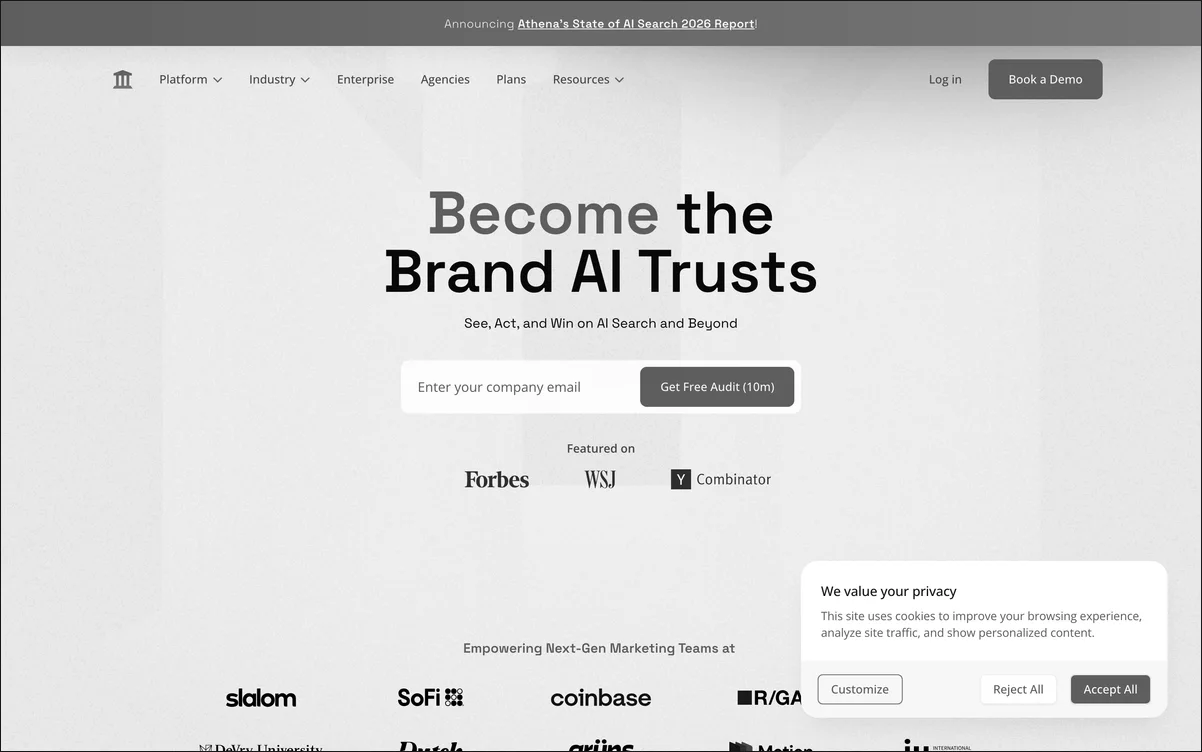 AthenaHQ divides the tracked prompt set by regional and audience context.
AthenaHQ supports regional and audience segmentation across ChatGPT-4, Gemini Pro, Claude, and Perplexity. The Action Center can turn a market-specific gap into a content recommendation, while the production suite builds briefs, outlines, and articles around the finding.
As of July 2026, self-serve access costs $295 a month with 3,500 credits and unlimited seats. Prompt checks and content actions consume the same pool. The four-engine set excludes Google AI Overviews and Copilot, so the product fits teams whose selected markets rely on the four covered engines.
Best for: a mid-market brand that organizes content around defined regional audience segments.
Build a market matrix before a dashboard
List each market down one side and each required engine across the top. Add the local language, number of tracked products, and number of prompt themes. This exposes the real unit count before plan caps enter the discussion.
Then choose one shared prompt pattern for every market and a second group that reflects local customer language. The shared group reveals cross-market differences. The local group catches needs that a translated global list misses. Use the Index methodology to weigh coverage and execution after that matrix defines the actual program.